Energy Medicine DNA

Call your Psychic!

  • Home
  • Raves
    • Share Your Experience
  • Education
    • Self-Help Toolbox
    • DNA Activations
      • DNA FAQ
    • Chakras
    • Lords of Karma
  • Services
    • DNA Activations
      • DNA FAQ
    • Psychic Readings
      • Chakra Audio Program
      • Developing Clairvoyance
    • Karmic Clearing – Essential Energy Balancing
      • EEB I Workshop
      • EEB II Workshop
      • EEB III Workshop
      • EEB FAQ
    • Reiki Classes
      • Essential Reiki I
      • Essential Reiki II
      • Essential Reiki III
    • Psychic Parties
    • Intuitive Coach and Mentor
      • Relationship Coaching
    • Hypnotherapy
  • Books & Products
    • Audio Downloads
    • Books
    • Live Intuitively: Journal the Wisdom of your Soul!
    • 12 Weeks to Self-Healing
    • 12 Weeks to Self-Healing Audio Course
  • Events
  • Blog and Media
    • Blog
    • Media
      • Videos
      • Podcasts
    • Interviews
    • Articles
    • E-Newsletter
    • Site map
  • Contact
    • Contact Candess at candess@candesscampbell.com 509.363.1789

The Dilettante (Amateur) Archetype

December 30, 2016 by @candesscampbell

Enjoy a guest blog from Cheyenne Mendel, Goddess extraordinaire!

“From a Latin root meaning “to delight in,” the Dilettante is a lover of the fine arts who never rises above the level of an amateur, and to whom the phrase “jack of all trades, master of none” applies. Although the word has the negative connotation of a dabbler who seeks only a cursory knowledge or experience, it never completely loses the sense of delighting in the arts. The Amateur, from the Latin root for “love,” has many of the same qualities of the Dilettante applied to the realm of sports or applied arts such as cooking and gardening. In many cases it’s better to be an inspired amateur than a grind-it-out professional. Like the survival archetypes, the Dilettante or Amateur can alert you when you are in danger of becoming merely superficial in your pursuits, or losing the love that drew you to your avocation in the first place. The shadow Dilettante manifests as a pretension to much deeper knowledge than you actually possess.” – Caroline Myss

If you have not blessed yourself with any of Caroline Myss’s books or teachings I highly recommend it. They are life changing.
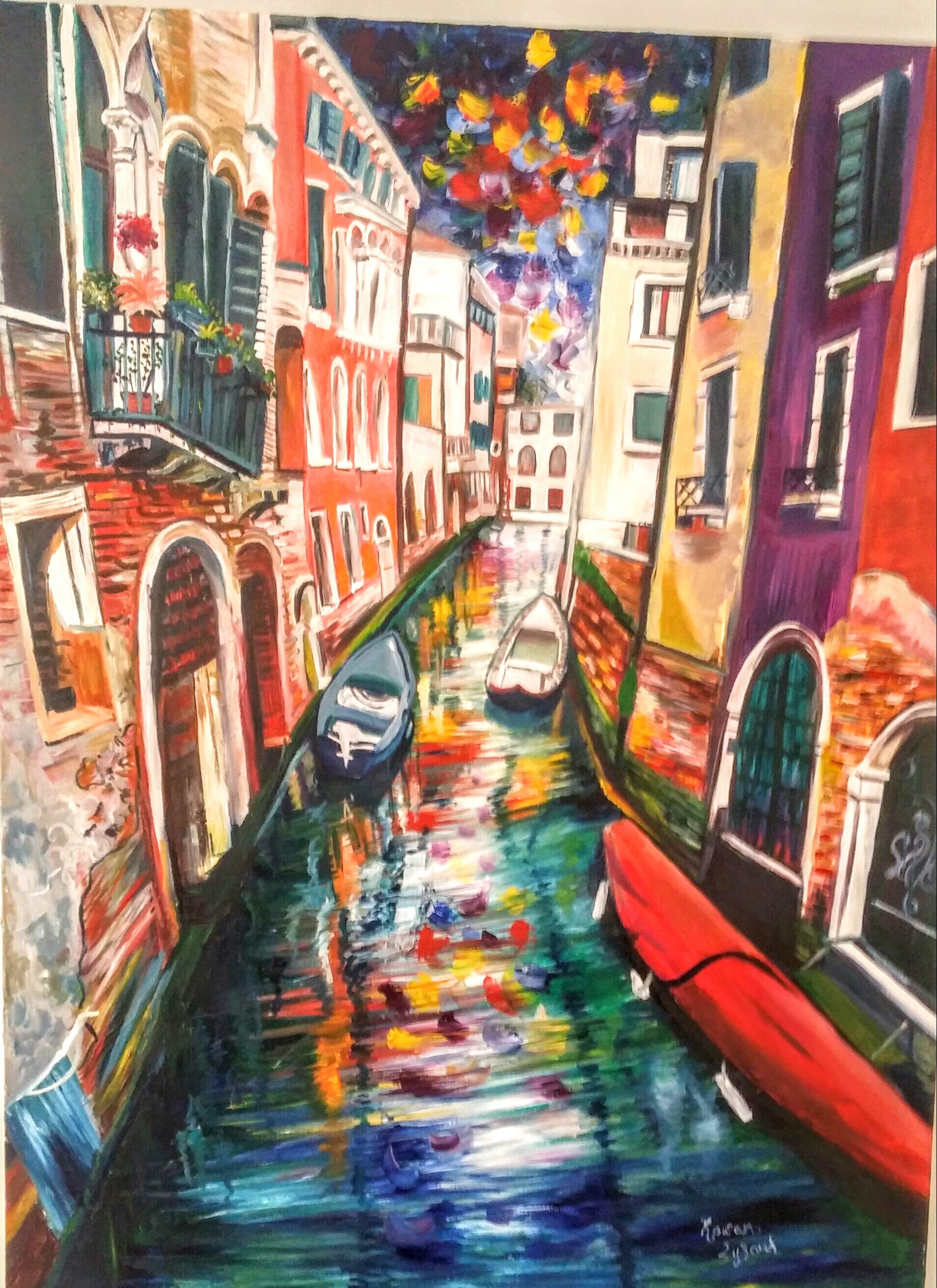
“VENICE” by Rowan Lyford

I realize now the archetype of the Dilettante came to me early 2016 when I went into the local artisans gallery in Crestone, Colorado. I saw this painting entitled “VENICE” and was immediately smitten. I love art but I have never considered myself an artist of any kind.

I could not get the painting out of my mind and would walk by to make sure it was still there. I realized I had to secure it for myself and plopped $700 down on it. I had never really purchased a painting let alone spend that kind of money.

I discovered it was painted by a 17-year-old girl named Rowan. I was amazed by how much it inspired me and it also turned out to be a feng shui cure to help sell my business.


In 2016 I took up piano lessons. I had them in the 2nd and 3rd grade but during the times I was supposed to be practicing, bad things were happening to me at home. I had “collapsed” (a Landmark Education term) the abuse with playing the piano. I never touched the piano again for decades.
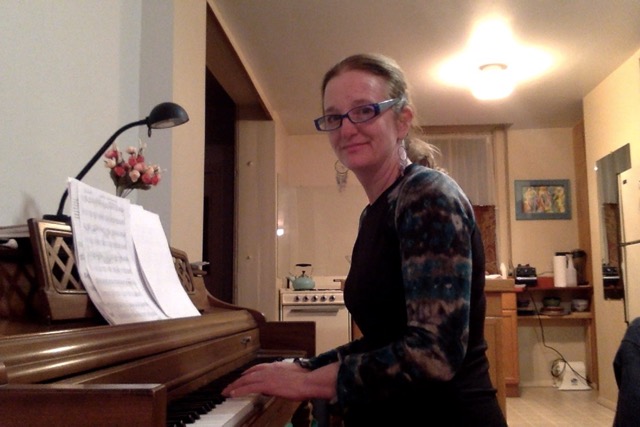
Cheyenne Mendel playing the piano in her home in Saguache, Colorado.

I myself have been and acupuncturist for 26 years. I have had the privilege of treating over 30,000 sessions and chances are for years and years I have spent most of my days standing with people and working on them. Like me, there are many other specialist in fields that require tons of education like physicians for example, who have not explored the Dilettante simply for lack of time.

I would say anyone who spends 10,000 hours let alone 30,000 would be an expert in that field. I am not used to being an amateur. Crawling when I am used to running doesn’t feel great. Ego crushing at times!

The benefits of artistic expression are numerous and undeniable when practiced. Being able to do something for the sheer joy of it is inspirational and miraculous.

Another bucket list item for me was dance. Just this month, I enrolled in a studio for a 6 week two-step country swing class and it has been pure pleasure. For me the best part is “being led”. I have to lead in so many other areas of my life. To be able to let go and flit around the dance floor to honkey tonk music has been a blast.

In the Dec 2016/ Jan 2017 Reader’s Digest article, Kurt Vonnegut writes, ‘What I have to say to you, moreover will not take long, to wit: Practice any art – music, singing, dancing, acting, drawing, painting, sculpting, poetry, fiction, essays, reportage – no matter how well or badly, not to get money or fame, but to experience becoming, to find out what is inside of you, to make your soul grow.”

He goes on to say “Write a poem and make it the best you possible can. Don’t tell anyone what you are doing. Don’t share it with anyone. Tear it into tiny pieces and discard them widely in different receptacles.”

The Dilettante experiences art for the joy of it. The huge popularity of the show THE VOICE speaks to how much the population is thirsty for pure inspiration and joy in artistry.

The artist Prince died April 21, 2016. I cried for three weeks and then again even months later. Why? I never understood the crying I saw around me when Elvis died. I was 9 years old. All these people did not know Elvis. I now understand. I did not know Prince personally nor did I ever attend one of the famous Paisley Park pop up concerts, but the love and artistry and high frequency and how he conducted his life, left a big impression in my heart. Every time someone we know or someone who touches us dies, we take inventory of our life and the meaning of it and what brings meaning to it.

So if the Dilettante is knocking I recommend letting him or her in. The water is very fine.

 “You’ve gotta dance like there’s nobody watching, Love like you’ll never be hurt, Sing like there’s nobody listening, and live like it’s heaven on earth.”   –   William W. Purkey

Cheyenne Mendel practices acupuncture in Crestone, Colorado.

Save

Save

Save

Save

Save

Save

Save

Save

Save

Save

Is Trump a Sex Addict?

October 12, 2016 by @candesscampbell

However you lean politically, the media is clearly bringing to the surface an issue that affects a large population in our country – Sex Addiction!

CNN, Fox News, MSNBC and others are all playing over and over the Access Hollywood video by Billy Bush where Trump showed his cards in how he thinks about and treats women.

With the accessibility of stimulation through the Internet and mobile phones, sexual addiction has come to the forefront. Celebrities behaviors are also being recorded and shared in public. In my private practice as a mental health and addictions counselor, more and more clients are showing up who need help from this addiction. Whether it be prostitution, pornography or chronic masturbation, it can wreak havoc in their lives and the lives of those they love. In response to this, the treatment community has begun to use sexual addiction assessments along with alcohol and drug assessments.

Working as a chemical dependency counselor at a Federal prison camp in the mid-1990s, during the “war on drugs,” we began assessing for childhood sexual abuse and past sexual abuse. Nearly all of the female clients had been sexually abused. Some of the men said yes, but I suspect even with the promise of confidentially, they did not admit to this. Many who have been abused don’t remember, but issues show up later in their lives in relationship.

Most of my clients who were diagnosed as sex addicts had been women and men who had a history of past sexual abuse and at some level attempted to find balance and healing, but instead found themselves in relationships where they became sexually addicted and often exploited. Some went on to be sex offenders. One example is a past client I counseled. He had been abused by his older brother and then went on to sexually abuse his nephew.

A leader in the field of Sexual Addition treatment is Douglas Weiss, PhD. This article summarizes the 6 Types of Sexual Addicts, a model he developed, which became the standard used to certify Sexual Recovery Therapists by the American Association for Sex Addiction Therapy.

[clickToTweet tweet=”‘In a normal situation, a person is having sex inside a relationship context.'” quote=”Weiss explains, “in a normal situation, a person is having sex inside a relationship context. He/she is gluing to the person, the eyes, and the soul of the person he/she is being sexual with.” This is different than having the object of sexual fulfillment being images that do not respond. Addiction creates lack of control, shame, and self-loathing and destroys relationships. “]

Six Types of Sexual Addicts

1. Biological Sexual Addict

Weiss states this is the most common sex addict. Basically the behavior is “ring the bell, feed the dog, ring the bell, feed the dog” like Pavlov’s conditioning. What happens is during orgasm; the endorphins that are released create an attachment to what is happening at the time. So whether this is a real or imaged person, the chemical release in the brain creates a bond. These endorphins, “almost four times as strong as morphine,” are the highest chemical reward the brain can come by, legally. Therefore, “your brain literally glues to, hungers for, craves, and wants to repeat that activity again.”

Weiss states that the Biological Sex Addict probably represents less than 15% of all sexual addicts, and is the baseline of all the sexual addictions. Most also have components of the other five types.

In my own counseling practice, many of my female clients who have a history of sexual abuse fall for his type of addict. They become the sexual object for them.

2. Psychological Sexual Addict

This person is often the one who has experienced emotional or physical abuse in his life. Due to the lack of love, touch, or security, as a child he sets up a fantasy life. This sense of neglect can carry on into adulthood and when his needs are not met at home, he creates a fantasy world where he feels adored, worshiped, and desired. This is the man who fantasizes he is the best, the biggest, the greatest, etc. If he has been dominated in his life he may fantasize as being the one who is dominating.

In his psychological fantasy, he feels sexually powerful, loved and wanted. In his imagination, he doesn’t have to deal with real women who may say no, ask him for commitment, ask for help with the housework or ask for emotional intimacy. Once this fantasy is paired with the powerful chemical endorphins, he is hooked.

3. Spiritual Based Sexual Addict

Similar to the psychological sexual addict, this addict is looking for a connection. There is a strong desire for a spiritual connection. They look to find it within their sexual addiction. In this case, once they have a spiritual experience through a religious encounter, an experience with Jesus or another guide or Guru, the sexual addiction stops. “Their sexual addiction just plain stops, because that’s where the origin of the ache or the need was for the individual.” These people rarely get help within the clinical community.

4. Trauma Based Sexual Addict

The trauma based sexual addict is the client I have most experience with. In this case, he or she has experienced sexual trauma, most likely as a child or adolescent. These clients go on to mirror their trauma in their relationships. For example a young girl who was sexually abused by an older uncle may end up in relationship after relationship with older men. She may despise herself for this, but continue the behavior and recreate the shame. A woman who has been physically abused in conjunction with a sexual trauma may act out being abused in the sexual act in order to be satisfied and make attempt after attempt to find the right partner, shaming herself all the way. She becomes a sexual addict that is also the sexual object of another addict.

5. Intimacy Anorexic

Although a separate issue from sexual addiction, Weiss states intimacy anorexia affects around 29% of sex addicts. Generally, the anorexic behavior is related to “sex addiction, sexual trauma, neglect in the family and cross gender attachment disorder.” There also may be related to other co-occurring disorders. Weiss describes intimacy anorexia as when a “spouse intentionally withholds emotional, spiritual and sexual intimacy.” They may control through silence, anger, or withholding money. They blame their spouse, withhold love, tend to be critical, and are unwilling to talk about their feelings. This is a difficult situation for the addict because as they are working on their own recovery, whether it be abstaining from prostitutes, masturbation, or pornography, they also need to learn to move toward their spouse or partner and re-create a healthy relationship. They have to learn to feel and communicate their feelings.

6. Mood Disorder

Sexual addicts who also have a mood disorder are another type of sex addict. Weiss shared about clients who were bipolar or had cyclothymic disorder and were medicating the imbalance neurologically through the ejaculation response. Until the medication was adjusted properly, they continued to relapse.

When you hear the term sexual addict, it may conjure up an image of someone being sexual, playful and having fun. The truth is the very opposite. Although the sexual thoughts and behavior may start that way, as in any addiction, the person loses control and their life spirals downward. Sexual addicts generally have low self-esteem and believe no one will love them as they are. They lack emotional intimacy and are continually pre-occupied with sex and sexual fantasies. They feel out of control and experience mood swings. They are filled with feelings of guilt and shame.

You may wonder, how sexual addiction is different from normal sexual behavior.

Weiss explains, “in a normal situation, a person is having sex inside a relationship context. He/she is gluing to the person, the eyes, and the soul of the person he/she is being sexual with.” This is different than having the object of sexual fulfillment being images that do not respond. Addiction creates lack of control, shame, and self-loathing and destroys relationships.

As with all addictions, recovery is a one-day at a time process. Interventions and treatment planning is different for each specific person. Most often when one is treated for sexual addition, the chances of recovery are better when their spouse or partner is involved.

In addition to treatment centers like the Heart to Heart Counseling Center in Colorado Springs, Colorado, where Dr. Weiss is the Executive Director, there are also 12 Step Programs such as Sex Addicts Anonymous. https://saa-recovery.org/ There are several other similar programs that provide help.

The Six Types of Sexual Addicts information came from a written interview of Dr. Weiss by Barbara Alexander and my email communication with him.

Douglas Weiss, Ph.D., is the Executive Director of Heart to Heart Counseling Center and the author of The Final Freedom: Pioneering Sexual Addiction Recovery (Discovery Press, 2008).

This article was published in part earlier in Live Encounters Magazine. http://liveencounters.net/january-2014/06-june-2014/dr-candess-m-campbell-sexual-addiction/

Sexual Addiction!

July 19, 2014 by @candesscampbell


“Sex without love is as hollow and ridiculous as love without sex.” 

― Hunter S. Thompson


Sexual addiction! What is it? With the accessibility of stimulation through the Internet and mobile phones, there is a lot more exposure to the issue of sexual addiction. In my private practice as a mental health and addictions counselor, more and more clients are showing up who need help from this addiction. Actually it is usually the partner of the addict that is either reaching out for help or giving the addict an ultimatum – get help or else. Whether it be prostitution, pornography or chronic masturbation, it can wreak havoc in their lives and the lives of those they love.  In response to this, the treatment community has begun to use sexual addiction assessments along with alcohol and drug assessments.

Working as a chemical dependency counselor at a Federal prison camp in the mid-1990s, during the “war on drugs,” we began assessing for childhood sexual abuse and past sexual abuse. Nearly all of the female clients had been sexually abused. Some of the men said yes, but I suspect even with the promise of confidentially, they did not admit to this. Many who have been abused don’t remember, but issues show up later in their relationships.

Most of my clients who were diagnosed as sex addicts had been women and men who had a history of past sexual abuse and at some level attempted to find balance and healing, but instead found themselves in relationships where they became sexually addicted and often exploited. Some went on to be sex offenders. One example is a past client I counseled. He had been abused by his older brother and then went on to sexually abuse his nephew.

A leader in the field of Sexual Addition treatment is Douglas Weiss, PhD. This article summarizes the 6 Types of Sexual Addicts, a model he developed, which became the standard used to certify Sexual Recovery Therapists by the American Association for Sex Addiction Therapy.


Six Types of Sexual Addicts

1. Biological Sexual Addict

Weiss states this is the most common sex addict. Basically the behavior is “ring the bell, feed the dog, ring the bell, feed the dog” like Pavlov’s conditioning. What happens is during orgasm; the endorphins that are released create an attachment to what is happening at the time. So whether this is a real or imaged person, the chemical release in the brain creates a bond. These endorphins, “almost four times as strong as morphine,” are the highest chemical reward the brain can come by, legally. Therefore, “your brain literally glues to, hungers for, craves, and wants to repeat that activity again.”

Weiss states that the Biological Sex Addict probably represents less than 15% of all sexual addicts, and is the baseline of all the sexual addictions. Most also have components of the other five types.

In my own counseling practice, many of my female clients who have a history of sexual abuse fall for his type of addict. They become the sexual object for them.

2. Psychological Sexual Addict 

This person is often the one who has experienced emotional or physical abuse in his life. Due to the lack of love, touch, or security, as a child he sets up a fantasy life. This sense of neglect can carry on into adulthood and when his needs sare not met at home, he creates a fantasy world where he feels adored, worshiped, and desired. This is the man who fantasizes he is the best, the biggest, the greatest, etc. If he has been dominated in his life he may fantasize as being the one who is dominating.

In his psychological fantasy, he feels sexually powerful, loved and wanted. In his imagination, he doesn’t have to deal with real women who may say no, ask him for commitment, ask for help with the housework or ask for emotional intimacy. Once this fantasy is paired with the powerful chemical endorphins, he is hooked.

3. Spiritual Based Sexual Addict

Similar to the psychological sexual addict, this addict is looking for a connection. There is a strong desire for a spiritual connection. They look to find it within their sexual addiction. In this case, once they have a spiritual experience through a religious encounter, an experience with Jesus or another guide or Guru, the sexual addiction stops. “Their sexual addiction just plain stops, because that’s where the origin of the ache or the need was for the individual.” These people rarely get help within the clinical community.

4. Trauma Based Sexual Addict

The trauma based sexual addict is the client I have most experience with. In this case, he or she has experienced sexual trauma, most likely as a child or adolescent. These clients go on to mirror their trauma in their relationships. For example a young girl who was sexually abused by an older uncle may end up in relationship after relationship with older men. She may despise herself for this, but continue the behavior and recreate the shame. A woman who has been physically abused in conjunction with a sexual trauma may act out being abused in the sexual act in order to be satisfied and make attempt after attempt to find the right partner, shaming herself all the way. She becomes a sexual addict that is also the sexual object of another addict.

5. Intimacy Anorexic

Although a separate issue from sexual addiction, Weiss states intimacy anorexia affects around 29% of sex addicts. Generally, the anorexic behavior is related to “sex addiction, sexual trauma, neglect in the family and cross gender attachment disorder.” There also may be related to other co-occurring disorders. Weiss describes intimacy anorexia as when a “spouse intentionally withholds emotional, spiritual and sexual intimacy.” They may control through silence, anger, or withholding money. They blame their spouse, withhold love, tend to be critical, and are unwilling to talk about their feelings. This is a difficult situation for the addict because as they are working on their own recovery, whether it be abstaining from prostitutes, masturbation, or pornography, they also need to learn to move toward their spouse or partner and re-create a healthy relationship. They have to learn to feel and communicate their feelings.

 6. Mood Disorder

Sexual addicts who also have a mood disorder are another type of sex addict. Weiss shared about clients who were bipolar or had cyclothymic disorder and were medicating the imbalance neurologically through the ejaculation response. Until the medication was adjusted properly, they continued to relapse.

When you hear the term sexual addict, it may conjure up an image of someone being sexual, playful and having fun. The truth is the very opposite. Although the sexual thoughts and behavior may start that way, as in any addiction, the person loses control and their life spirals downward. Sexual addicts generally have low self-esteem and believe no one will love them as they are. They lack emotional intimacy and are continually pre-occupied with sex and sexual fantasies. They feel out of control and experience mood swings. They are filled with feelings of guilt and shame.

You may wonder, how sexual addiction is different from normal sexual behavior.

Weiss explains, “in a normal situation, a person is having sex inside a relationship context. He/she is gluing to the person, the eyes, and the soul of the person he/she is being sexual with.” This is different than having the object of sexual fulfillment being images that do not respond. Addiction creates lack of control, shame, and self-loathing and destroys relationships.

 As with all addictions, recovery is a one-day at a time process. Interventions and treatment planning is different for each specific person. Most often when one is treated for sexual addition, the chances of recovery are better when their spouse or partner is involved.

 In addition to treatment centers like the Heart to Heart Counseling Center in Colorado Springs, Colorado, where Dr. Weiss is the Executive Director, there are also 12 Step Programs such as Sex Addicts Anonymous. https://saa-recovery.org/ There are several other similar programs that provide help.

 The Six Types of Sexual Addicts information came from a written interview of Dr. Weiss by Barbara Alexander and my email communication with him.

 Douglas Weiss, Ph.D., is the Executive Director of Heart to Heart Counseling Center and the author of The Final Freedom: Pioneering Sexual Addiction Recovery (Discovery Press, 2008).

 Heart to Heart Counseling Center 719-278-3708

heart2heart@xc.org.  Website www.sexaddict.com. 

This article was originally published In Live Encounters Magazine! 

Candess M. Campbell, PHD.

Copyright © 2026 · Eli Overbey

Copyright © 2026 Energy Medicine DNA· Website Design by Inspired Melissa · Log in